
Sitting alongside its namesake river, Congaree National Park represents the natural side of the southeast.
Congaree National Park is South Carolina’s only national park. For me, it kind of feels more like a glorified city park than a nationally protected one.
The free park hosts sights that aren’t nearly as jaw-droppingly gorgeous as other parks around the country, they are no less beautiful.
While winding through the tall trees, most dripping with Spanish Moss, the magic of the park will capture you. Scan the jet-black waters for any sign of an alligator and watch racoons scurry around the floodplain. Swat mosquitoes as you watch a million fireflies blink in unison. Smoothly glide across the water in a canoe. Just like Yosemite, the magic’s still there, you just might have to look a little harder.
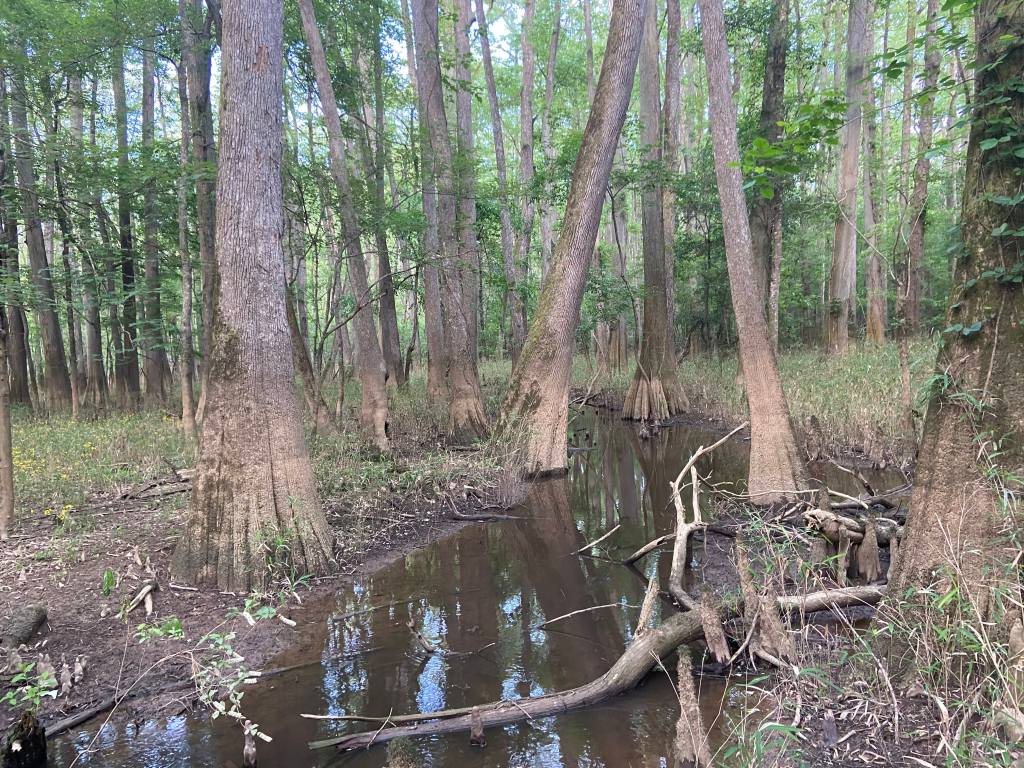
The park also serves a reminder of the importance of conservation. Congaree holds some of the largest acreage of old growth forest on the East Coast.
What does this mean? I had no idea either, so let me tell you what I learned.
During the expansion of the United States, a lot of woodland was destroyed for logging. Experts estimate that only one million acres of forest still exist from that time period. That may sound like a lot, its only one-third of 1% of what once was.
These areas that still exist are what we call old growth forests.
Of these million acres, most are in the west. East of the Mississippi, a lot are concentrated in Minnesota, the Great Smoky Mountains and Upstate New York. This Wikipedia article lists them. Much of these forests are less than 1,000 acres, a lot are less than 100. As a whole, South Carolina only has 13,700 acres of Old Growth Forests and Congaree covers 11,000 of them.
But what does that signify?
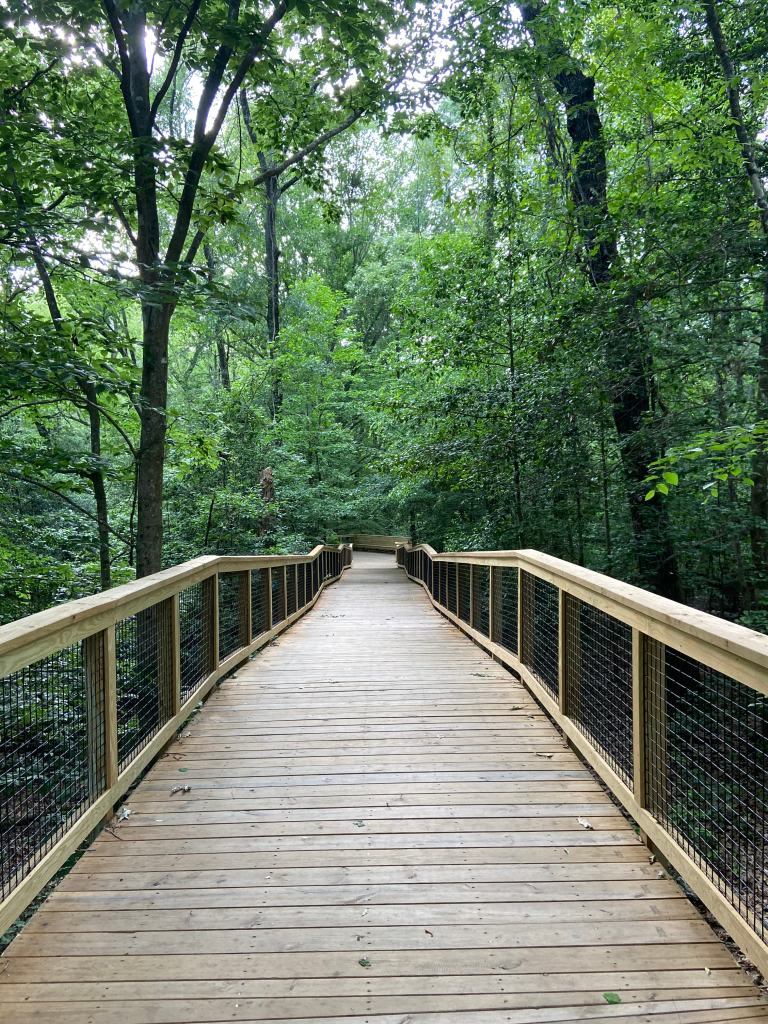
Congaree has some of the East Coast’s largest and oldest trees. The park holds the tallest known specimen for over 15 species of tree! Because of this, it has garnered the title of “Redwoods of the East” and boasts a tree just about 10 feet shy of the tallest on the East Coast (which is in the Smokies).
Let’s dive into this park!
Where is it?
One of the best things about this park is its proximity to civilization. The national park is about 20 miles outside of the state capital of Columbia in the middle of South Carolina. It’s easily one of the nation’s most accessible as it’s a short trip from four major interstates (95, 77, 20 and 26).
Columbia has a small regional airport, but you’ll probably find cheaper flights into Charlotte or Charleston, both of which are about an hour and a half away.
You can even Uber to the park, but the NPS recommends scheduling a ride home. Service can get spotty.

Best Things to Do
As the national park sits around the Congaree River, kayaking and canoeing are popular activities.

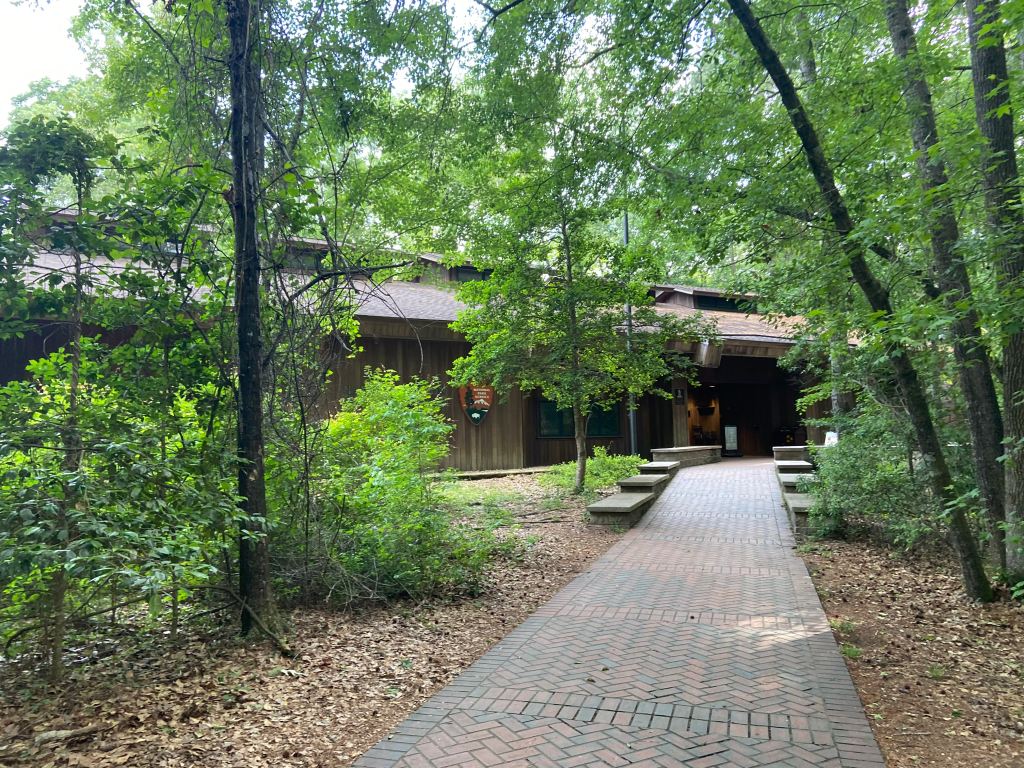
The park has the Harry Hampton Visitor Center, a small museum with a few exhibits to acquaint yourself. A ranger on staff can help you plan your time in the park. Inside is also a gift shop. Across from the visitor center are bathrooms, open when the museum is not.
Perhaps the most popular park activity is the synchronized fireflies. The bright bugs come sometime between May and June every year and all flash in a synchronous pattern. The event is so popular you have to enter a lottery for tickets a few months before. If selected, it’s a few bucks to reserve them. Only three species of fireflies in North America flash in such a synchronous way!
The park has two campgrounds and permit-based backcountry camping. Personally, I wouldn’t want to sleep on the ground, I saw many snakes, but to each their own.
My Favorite Trails
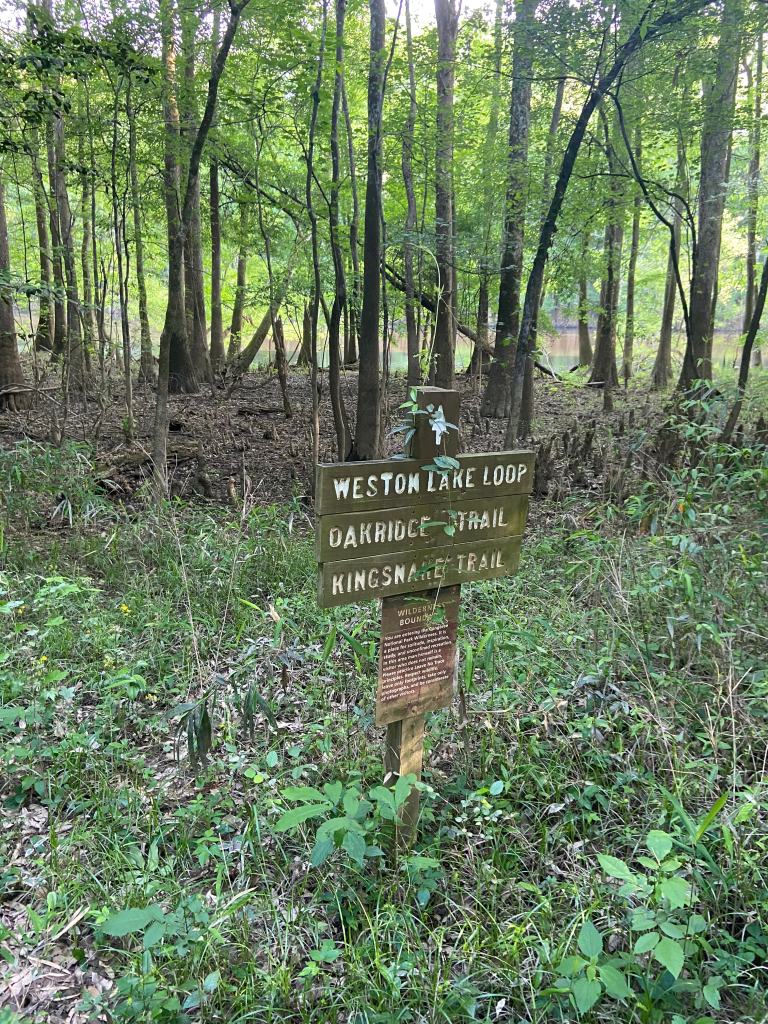
The star of the park is the Boardwalk Trail. At 2.6 miles, it’s elevated and gives a great perspective of the swamp below. From the trail, I’ve been able to see Cottonmouth Snakes, deer and other wildlife. I’m sure there are frequent gator sightings, but I have never been that lucky.
Almost all of the other trails take you down into the floodplain. I haven’t been on them, but best of luck to you if you choose to venture out. Be forewarned, these trails do frequently flood, make sure to check on their status.
The most alluring to me is the River Trail. It’s one of the few that actually takes you to the Congaree River and comes in just over 11 miles. Much of this trail looks to be on the ground.

Another unique trail is the Bates Ferry Trail which sits away from the rest of the park. The course of its two-miles follow a 1920’s ferry road and down to the bank of the Congaree River.
My Favorite Parts
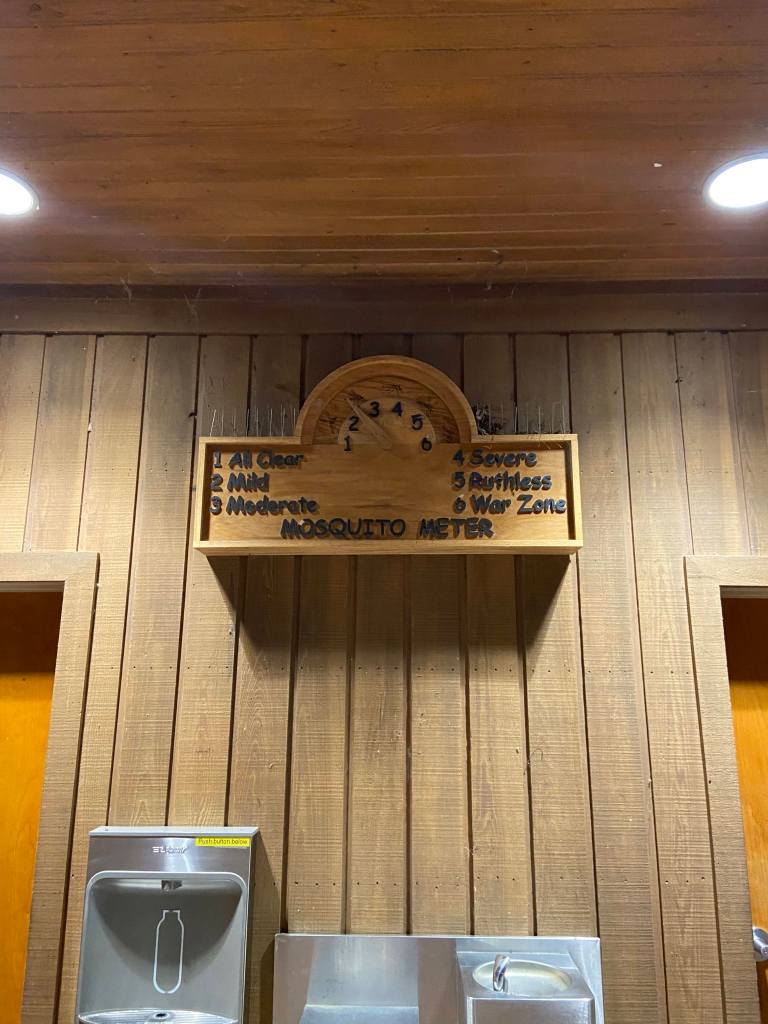
- They have a mosquito meter that alerts how intense the bugs will be
- The boardwalk allows for a ton of wildlife viewing. I have seen cottonmouth snakes, racoons and deer:

- The synchronous fireflies top my bucket list and I’m determined to see them.
- Kayaking/canoeing on the Congaree River
- The biodiversity and environmental history the park has is really cool
My Least Favorite
- Compared to other parks, there’s not a ton to do. I think it’s still worth a trip, but I would tack it on a visit to Columbia, Charlotte or Charleston.
- I assume the mosquitos are pretty bad in the summer months, but I’ve never had an issue.
- During firefly months, the park closes early
 Turquoise Skies